

Boundaries That Look Cared For
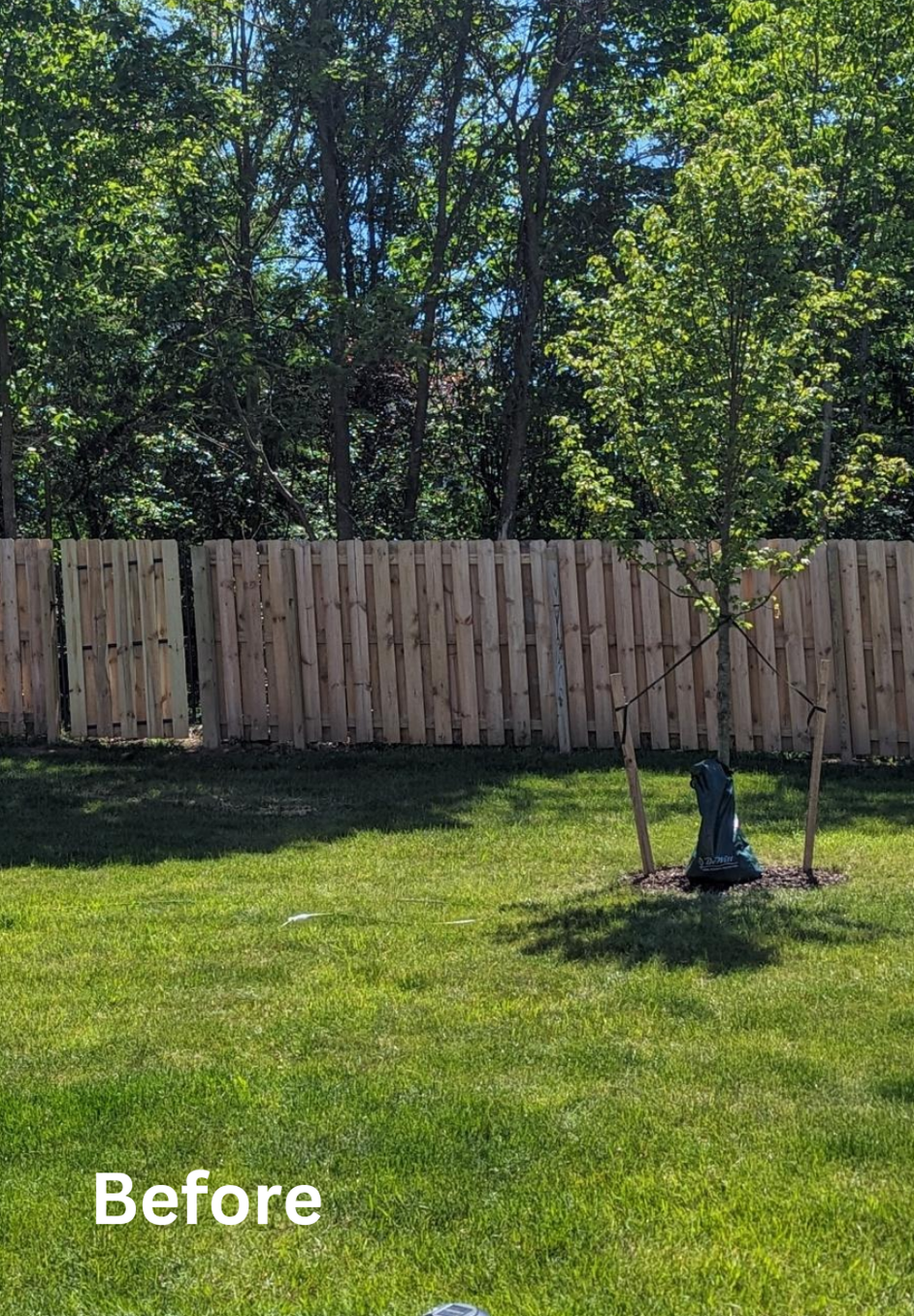
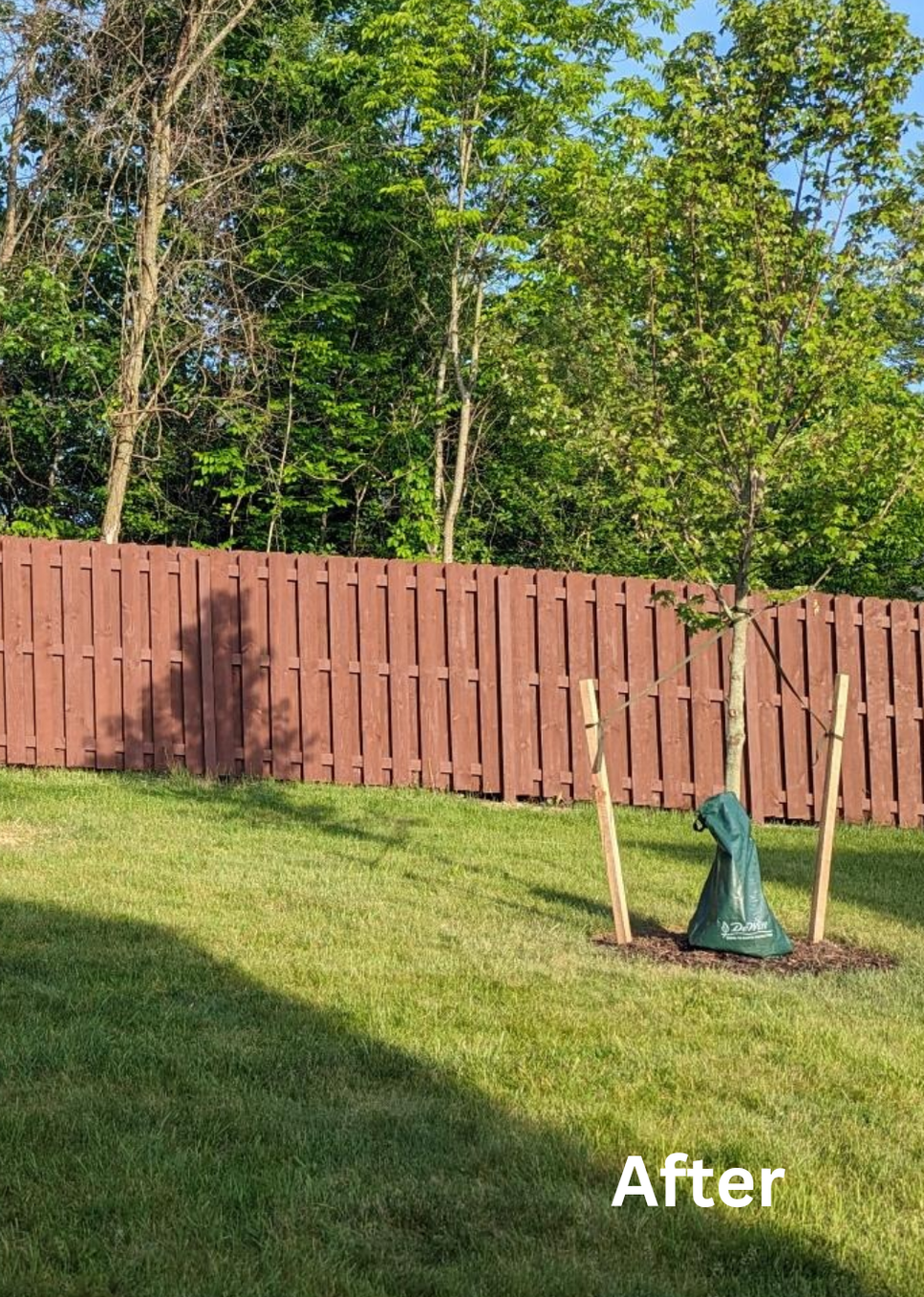
Fence Painting & Staining in Cuyahoga Falls for wood fences showing weather damage, fading color, and surfaces that need protection from moisture and UV exposure
Wood fences exposed to rain, snow, and direct sunlight deteriorate quickly without regular maintenance, developing gray patches, splintering grain, and loose boards that make the entire property line look neglected. Liberty Paintworks restores older fences through professional staining and painting services that seal wood surfaces, improve curb appeal, and extend the fence's functional life. You end up with a boundary that complements landscaping and exterior finishes rather than standing out as a maintenance problem.
The process includes cleaning fence boards to remove dirt and mildew buildup, sanding rough areas to smooth splinters and raised grain, and conditioning the surface so stain or paint absorbs evenly. Stain options preserve the natural wood texture while adding color and UV protection, while paint provides a solid finish that hides imperfections and offers maximum weather resistance. Both approaches require sealing to block moisture infiltration, which is the primary cause of warping and rot in untreated fences.
Request a fence staining or painting estimate to evaluate your wood condition and discuss finish options that match your property's overall appearance.
Why Fence Restoration Improves Neighborhood Appearance

Fence painting and staining involve more than applying color—it's about restoring structural integrity and preventing further deterioration. Painters inspect boards for damage before starting, replacing any that are rotted or cracked beyond repair. Proper prep work includes treating mildew with fungicidal cleaners and allowing the wood to dry completely before applying stain or paint, which prevents moisture from being trapped under the finish.
Once the work is complete, your fence shows uniform color on both sides without streaks or missed slats, and the wood surface is smooth without splinters that snag clothing or injure pets. Gates open and close cleanly without sticking, and hardware like hinges and latches are masked or removed during painting to avoid coating them with finish. The fence line looks intentional and well-maintained, which improves how the entire yard is perceived from the street and contributes to neighborhood property values.
Stain and paint color selection matters for both aesthetics and HOA compliance, with natural wood tones blending into landscaping and solid colors providing clean, modern contrast. Darker stains hide dirt and wear better than lighter tones, while lighter colors reflect heat and stay cooler to the touch during summer months. The finish choice depends on your maintenance preferences and how the fence interacts with surrounding structures and plantings.
Frequent Fence Painting and Staining Questions
Homeowners preparing to restore fence appearance often want clarity on prep requirements, finish durability, and how to maintain the results over time.
What prep work is required before staining or painting a fence?
Fences are cleaned to remove dirt, algae, and old finish residue, then sanded to smooth rough grain and open wood pores for better stain absorption. Any loose or damaged boards are replaced, and hardware is removed or masked to keep it free of coating.
How long does fence stain or paint last in Northeast Ohio?
Transparent stains typically last one to two years before requiring reapplication, while semi-transparent and solid stains last three to four years. Paint lasts longer, often five years or more, but it hides the wood grain entirely and requires more extensive prep if the finish fails and begins peeling.
Why does one side of the fence fade faster than the other?
The side facing south or west receives more direct sunlight and UV exposure, which breaks down stain and paint pigments faster. Shaded sides stay darker longer but are more prone to mildew growth due to moisture retention, requiring different maintenance attention.
What's the difference between staining and painting a wood fence?
Stain penetrates the wood and enhances natural grain, requiring less surface prep and allowing moisture to escape through the finish. Paint forms a surface layer that hides imperfections and provides a solid color, but it traps moisture if applied over damp wood and can peel if prep work is inadequate.
How soon can you stain or paint a new fence?
New wood contains moisture and resins that prevent stain from absorbing evenly, so fences should weather for at least a few months before finishing. Pressure-treated lumber requires even longer drying time, often six months, to allow preservatives to stabilize and moisture content to drop below 15 percent.
Liberty Paintworks handles fence restoration for residential properties throughout Northeast Ohio communities, focusing on finishes that protect wood from weather damage while improving property appearance. Schedule a consultation to walk your fence line and discuss stain or paint options suited to your wood type and sun exposure.